
Back to Learn
NYC Studio Apartment Deep Clean: What Pros Do Differently
5f17c933d3abc0d323ac1b9f
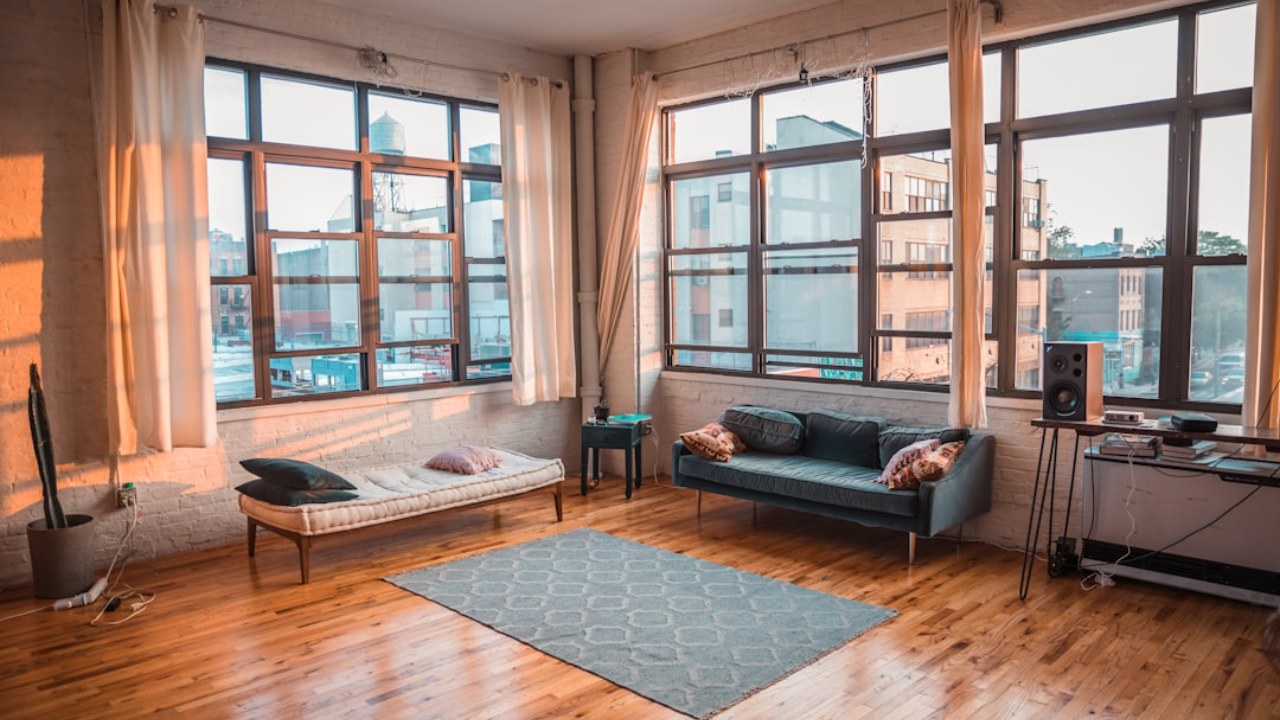
The Studio Paradox: Why Small Spaces Need More Cleaning, Not Less
There’s a counterintuitive math problem at the heart of studio living: the smaller the apartment, the higher the concentration of daily use per surface.
In a two-bedroom, the bedroom is used primarily for sleeping. In a studio, that same footprint is your office, gym, dining room, and bedroom—often simultaneously. Your kitchen counter is also your desk. Your couch faces the TV six feet away and doubles as a daybed. The floor beside the bed is also where you get dressed, set your bag, and stretch.
When we clean a NYC studio, we don’t treat it like a quiet bedroom. We treat it like a high-traffic common area—because that’s exactly what it is.
What We Find Walking Into a NYC Studio (East Village, July 2026)
We cleaned a studio last week in the East Village—pre-war building, about 425 square feet, south-facing window AC running continuously since mid-May. The tenant was conscientious and wiped visible surfaces regularly. Here’s what we found when we dug deeper:
- Behind the radiator cover: a dense mat of dust and pet hair compacted against the fins, untouched since the heating season ended in March.
- The window AC drip tray: a thin film of dark mold. The unit had run for six weeks and the tray had never been wiped.
- Under the platform bed (about 7 inches of clearance): a full layer of fine dust, two socks, a phone charger, and surprising amounts of pet hair from a dog described as one who “barely sheds.”
- The baseboard behind the couch: completely inaccessible without moving the furniture. A sticky grease film had migrated from the kitchen six feet away.
- The bathroom ceiling above the shower: the ventilation fan cover was partially blocked with dust, restricting airflow and accelerating mildew on the grout below.
This is the standard condition of a well-used NYC studio after a few months. These are the spots that routine maintenance misses and a proper deep clean addresses.
The Window AC Unit: July’s Most Neglected Cleaning Job in a Studio
In a studio, the window AC isn’t one of several climate options—it’s the only one. In summer, it runs nearly continuously, creating two compounding problems.
First, the filter clogs faster. A dirty filter recirculates dust, pet dander, and allergens back into a space you share with every corner of your apartment. Second, the drip tray accumulates standing moisture. In a 400-square-foot space, a moldy drip tray isn’t a minor issue—you’re breathing air from that tray within seconds of it leaving the unit.
What we do: remove the filter and wash it under warm water with a small amount of dish soap. Let it dry completely before reinserting. Clean the drip tray with a diluted white vinegar solution (one part vinegar to three parts water). Wipe the exterior grille and casing. If there’s visible mold on the interior evaporator coils, we flag it for the tenant to address with an HVAC technician.
For a full step-by-step breakdown, see our guide on cleaning your NYC window AC unit.
The Furniture Wall Problem: Dead Zones Cleaners Always Address
In most NYC studios, every piece of furniture is pushed flush against a wall. This creates a network of dead zones that accumulate grime invisibly.
The gap behind a bookshelf becomes a dust reservoir. The baseboard behind the couch collects airborne grease from cooking—just slower, and six feet away. The floor under the bed becomes a microclimate of its own.
Our standard approach: move all portable furniture at least 18 inches from the walls, clean the floor, baseboard, and wall behind it, then replace. For pieces that can’t be safely moved, we use flexible microfiber tools to reach as far back as possible.
We use non-toxic, plant-based all-purpose cleaners on baseboards because in a studio, you’re never far from every surface you clean. Chemical residue in a small space lingers longer than in a larger, better-ventilated apartment.
The Studio Kitchen: Tiny Footprint, Wider Grease Radius
In a standard studio, the kitchen is six to twelve feet from the sleeping area with no wall between them. Cooking grease doesn’t stay in the kitchen.
What this produces: a thin, sticky film on surfaces far from the stove. The TV console across the room. The couch armrests. The exposed surfaces of open shelving. We’ve cleaned studios where the far window glass had a perceptible grease film from a year of cooking without a functional range hood.
When we clean a studio kitchen, we extend our radius: backsplash, inside of the microwave, top of the refrigerator, underside of open shelving, and the front of every cabinet door. We also check the underside of kitchen wall shelving—a spot that catches grease from below and dust from above simultaneously.
Studio Bathroom Deep Clean: Why Ventilation Makes All the Difference
Studio bathrooms are typically 35–50 square feet. A ten-minute shower raises humidity dramatically in that confined space. If the ventilation fan isn’t working—or the cover is clogged—mold follows quickly.
What we find most often: mold in the grout at the base of the tub, mildew on the ceiling above the showerhead, and a ventilation fan cover matted with dust since move-in.
Cleaning protocol: scrub grout with a baking soda paste and a stiff natural-bristle brush. Wipe the ceiling above the shower with a damp microfiber mop head—this is often where mold establishes first and spreads downward. Remove and wash the fan cover in warm soapy water, then confirm the fan runs at full speed. A fan that hums but doesn’t move air is worse than useless.
For a longer-term prevention routine, our guide on stopping summer mold in NYC apartments covers what to do between professional cleans. The NYC Department of Health’s mold guidance recommends keeping indoor humidity between 30% and 50%—particularly relevant in summer studio living.
When to DIY and When to Book a Professional Studio Clean in NYC
Routine maintenance—vacuuming, mopping, wiping visible surfaces—is something most people can do themselves weekly or biweekly. A proper deep clean is a different job.
A thorough deep clean of a NYC studio takes a professional team 2.5 to 4 hours. It requires moving furniture, accessing the AC unit, cleaning inside the refrigerator, scrubbing bathroom grout, getting behind the radiator, and reaching under every movable piece of furniture. Most people don’t have the time, tools, or access angles to do that alone.
If you’re moving in or out, hosting guests after a gap of more than a month, returning from an extended trip, or simply haven’t had a real deep clean in three to four months, a professional clean is worth it—not because you can’t clean your own apartment, but because the spots that accumulate the most in a studio are the hardest to reach solo.
Our NYC home cleaning service covers studios of all sizes across the five boroughs. Book online or reach out to talk through what your space needs.
READ MORE ABOUT
Want to learn more about a specific topic? Email us at [email protected]